
How to Care for Your Pillow So It Lasts (And When to Replace It)
Your pillow collects sweat, skin cells, and dust mites every night. Here's how to keep it clean and performing — plus the signs it's time for a new one.

By Emma Clarke
Key takeaways
- —Your pillow accumulates sweat, dead skin, and dust mites faster than any other bedding item
- —Memory foam pillows should never be machine washed — spot clean and air dry
- —A pillow that has lost its shape has lost its ability to support your neck
Your Pillow Is Dirtier Than You Think
After a week of use, your pillow contains sweat, body oils, dead skin cells, and millions of dust mites feeding on all of the above. After a year without proper care, a pillow can increase in weight by 10-15% from accumulated debris.
This isn't just unpleasant — it directly affects your sleep. Dust mite allergens cause congestion, and degraded materials lose their ability to support your neck properly.
How to Care for Your Pillow (By Material)
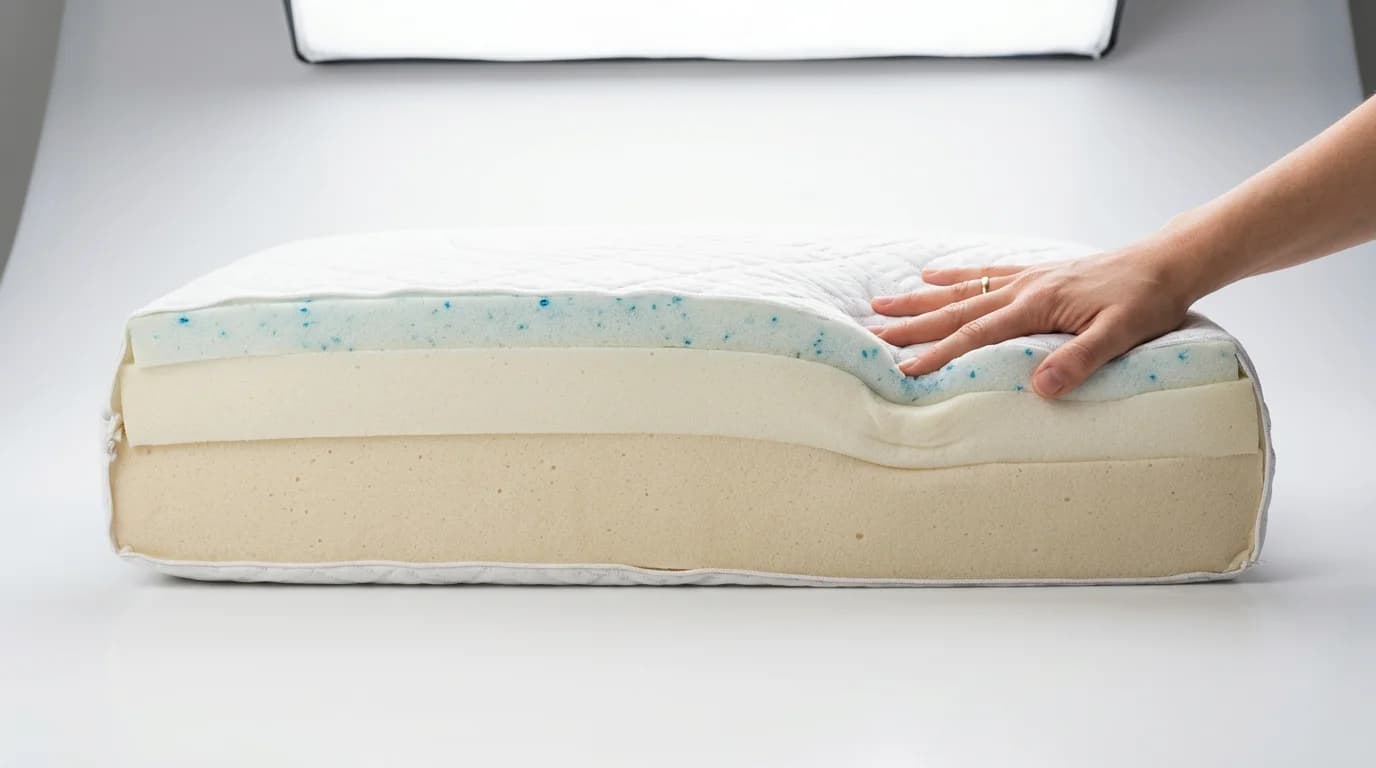
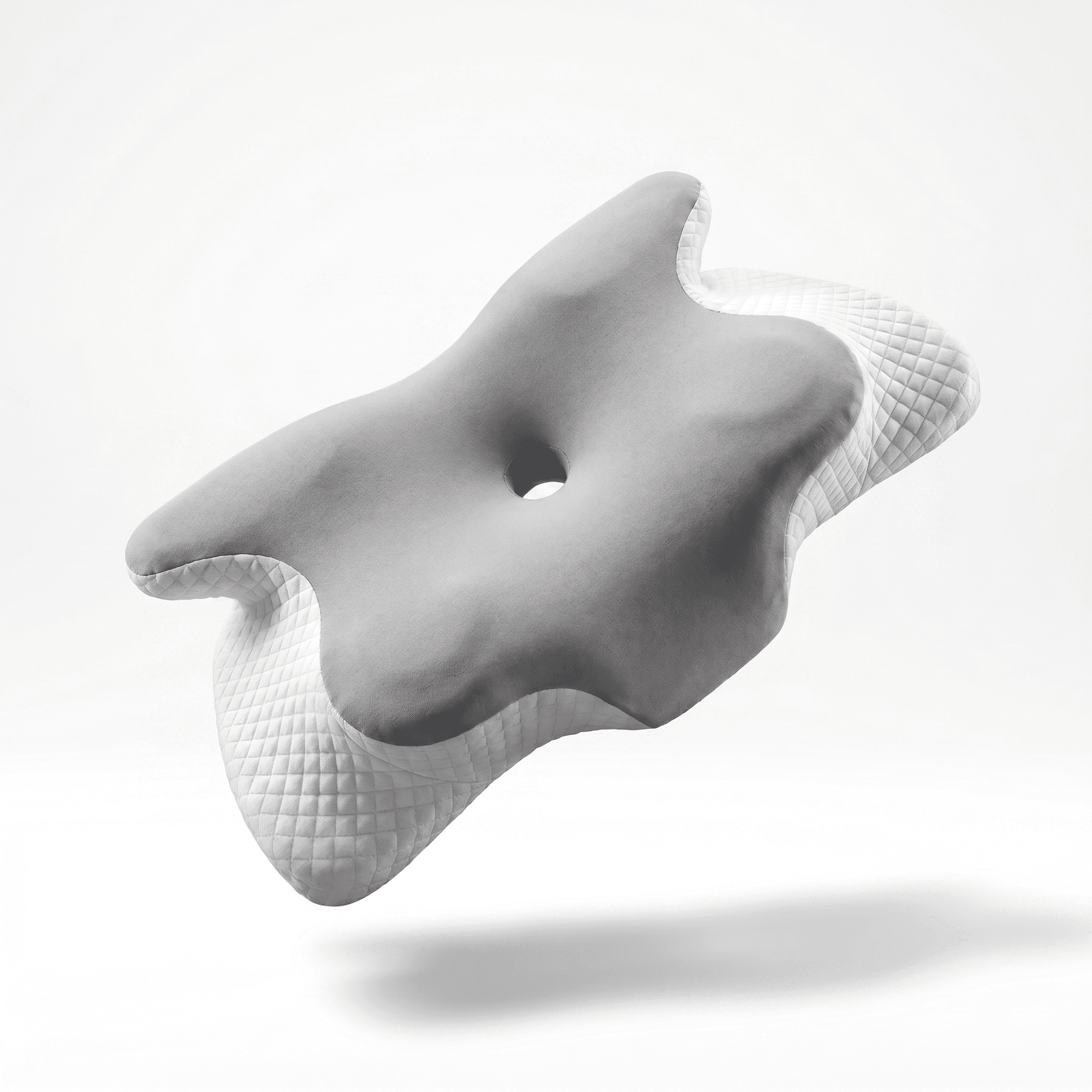
Memory Foam Pillows (Like The Sleepr)
Memory foam should never go in the washing machine. The agitation breaks down the foam structure and ruins the support.
Regular maintenance:
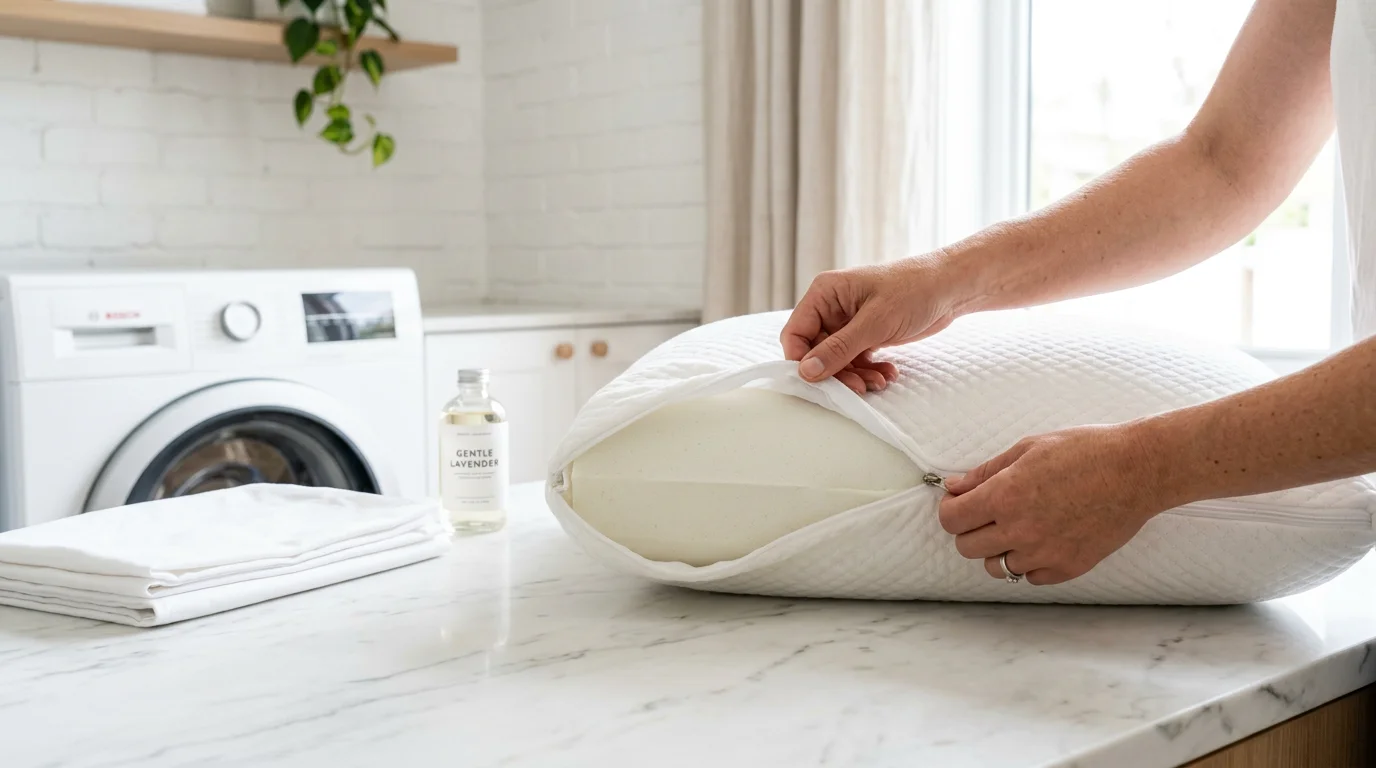
- —Remove the cover and wash it every 2-3 weeks (machine wash, gentle cycle, warm water)
- —Spot clean the foam with a damp cloth and mild detergent
- —Air out the foam in a well-ventilated area monthly — not in direct sunlight, which can degrade the material
- —Use a pillow protector between the foam and the cover as an extra barrier
The Sleepr cover is machine washable with a zip-off design for easy removal. The hypoallergenic barrier layer blocks dust mites from reaching the foam.
Down and Down Alternative Pillows
These can usually be machine washed:
- —Gentle cycle, warm water, mild detergent
- —Run an extra rinse cycle to remove all soap
- —Tumble dry on low with two clean tennis balls to break up clumps
- —Make sure the pillow is completely dry before using — damp down develops mould
Polyester Fill Pillows
Machine washable, but they lose their shape quickly regardless of care:
- —Wash on gentle cycle every 2-3 months
- —They typically need replacing every 6-12 months as the fill compresses permanently
Pillowcase Care
Your pillowcase is the first line of defence. Wash it weekly — or every 3-4 days if you have acne-prone skin.
- —Machine wash in warm water (not hot — heat breaks down fibres)
- —Use a gentle, fragrance-free detergent
- —Avoid fabric softener, which can leave a residue that traps oils
- —Tumble dry on low heat
Sheet and Bedding Care
While you're maintaining your pillow, keep the rest of your bedding fresh:
- —Sheets: Wash weekly in warm water
- —Mattress protector: Wash monthly or after spills
- —Duvet/comforter: Every 3-6 months (use a duvet cover to reduce frequency)
- —Mattress: Vacuum monthly to remove dust mites and debris
When to Replace Your Pillow
No amount of care makes a pillow last forever. Here's when it's time:
The fold test: Fold your pillow in half. If it doesn't spring back, the fill or foam has lost its resilience and can't support your neck anymore.
The pain test: If you're waking up with neck stiffness or headaches that go away within an hour of getting up, your pillow has stopped doing its job.
The visual test: Visible flat spots, permanent indentations, or yellowing that doesn't wash out.
By material:
- —Polyester fill: 6-12 months
- —Down/down alternative: 1-2 years
- —Standard memory foam: 1-2 years
- —High-density memory foam (like The Sleepr): 2-3 years
The difference in lifespan comes down to foam density. The Sleepr uses 4-5 lb/ft³ density foam that resists permanent compression far longer than budget alternatives.
The bottom line
Taking care of your pillow isn't just about hygiene — it's about maintaining the support that keeps your neck aligned and your sleep uninterrupted. Wash the cover regularly, protect the foam, and replace the pillow when it can no longer hold its shape. Your neck will thank you every morning.
5 min read